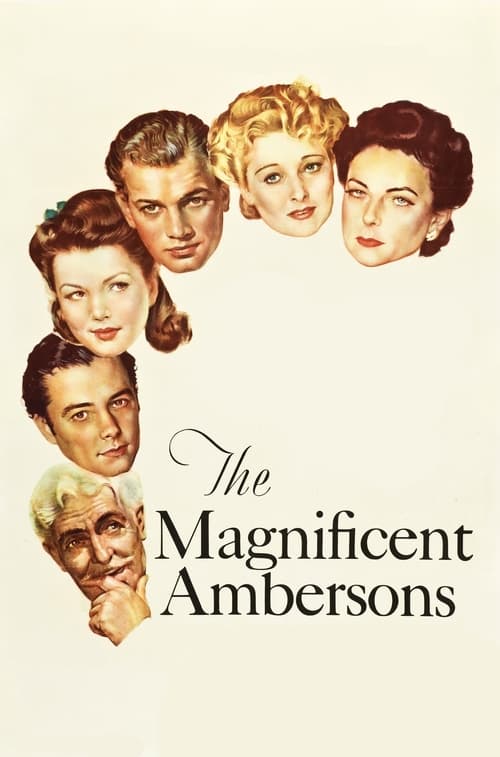
The Magnificent Ambersons(1942)
NR
07/10/1942 (US)Drama, Romance1h 28m7.3
"Real life screened more daringly than it’s ever been before!"
Overview
The spoiled young heir to the decaying Amberson fortune comes between his widowed mother and the man she has always loved.
Orson Welles
Director
Orson Welles
Screenplay
Top Billed Cast






Where to Watch
Stream

Rent






Buy
Powered by JustWatch
Popularity Trend
Last 30 Days
This chart shows the popularity trend over the past 30 days.
Media
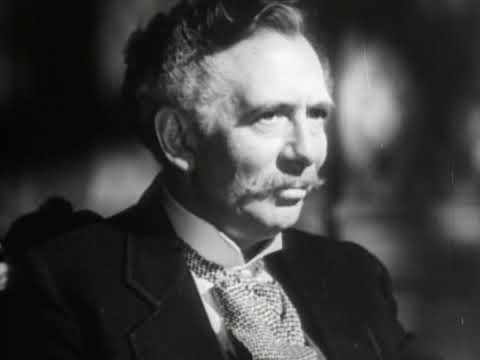
The Magnificent Ambersons
Trailer
Social
C
A review by CinemaSerf
7.0
Written on June 26, 2022
This is a actually quite a sad story; though given the wealth and opportunity offered the young "George" (Tim Holt) it might seem fatuous to say so. He is born into a family with money, status and privilege so, consequently, grows up into a young man with little, if any, appreciation of anything - all he wants to do is sail boats. As the plot develops, we see the return of "Eugene" (Joseph Cotton) the man his mother, now widowed, (Dolores Costello) really did love before a childish spat drove her into the arms of the dreary, but reliable, "Wilbur". "George" is determined to ensure that any rekindling of their erstwhile romance is well and truly throttled and so, broadly speaking, misery ensues for all concerned. That "George" is heading for a fall is writ large, and there is soon quite a queue of folks happy to oblige as his arrogance and thoughtlessness causes havoc to all - including himself. It is a gentle melodrama and it is largely devoid of any action, in the typical sense, but the characters do epitomise the wastrel, take-it-for-granted attitudes of the bored, wealthy, aspiring and just plain ignorant very well. Agnes Moorhead stands out as "Fanny", the spinster who tries to keep "George" from his own worst excesses, and Orson Welles resists the temptation to be too judgmental (or overbearing) with his narrative that gently guides us along, now and again.