The Jungle Book(1967)
G
10/18/1967 (US)Family, Animation, Adventure1h 18m7.3
"The Jungle is JUMPIN'!"
Overview
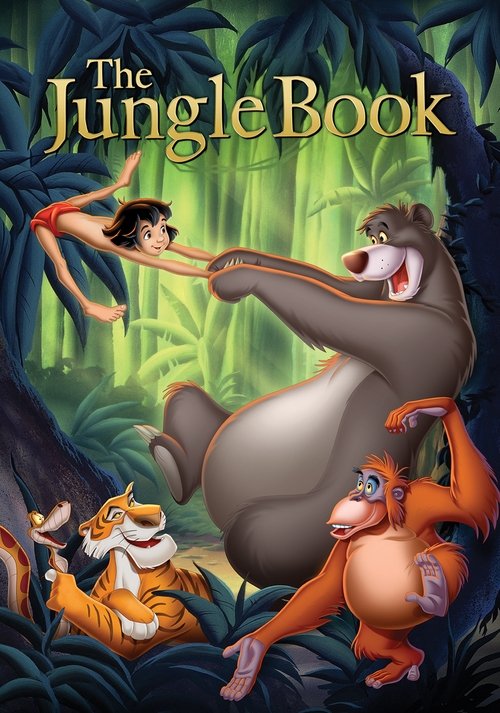
The boy Mowgli makes his way to the man-village with Bagheera, the wise panther. Along the way he meets jazzy King Louie, the hypnotic snake Kaa and the lovable, happy-go-lucky bear Baloo, who teaches Mowgli "The Bare Necessities" of life and the true meaning of friendship.
Larry Clemmons
Story
Ken Anderson
Story
Ralph Wright
Story
Wolfgang Reitherman
Director
Vance Gerry
Story
Rudyard Kipling
Story
Top Billed Cast


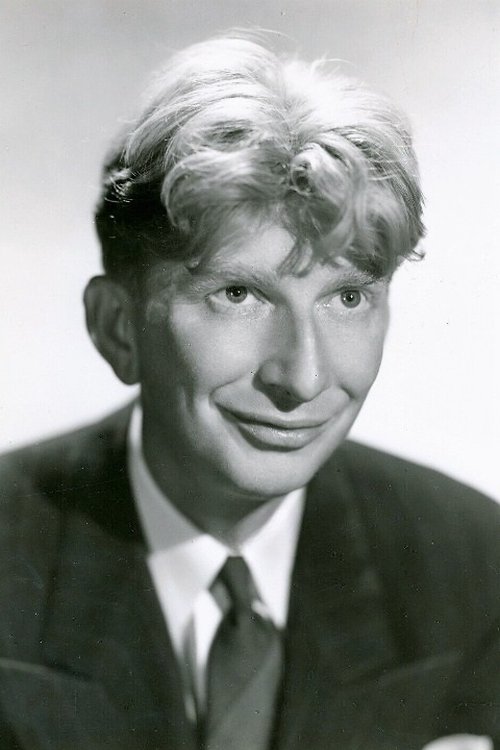
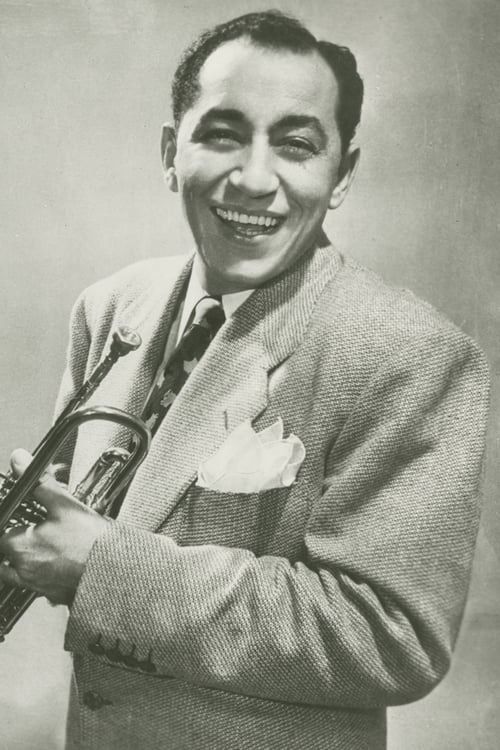



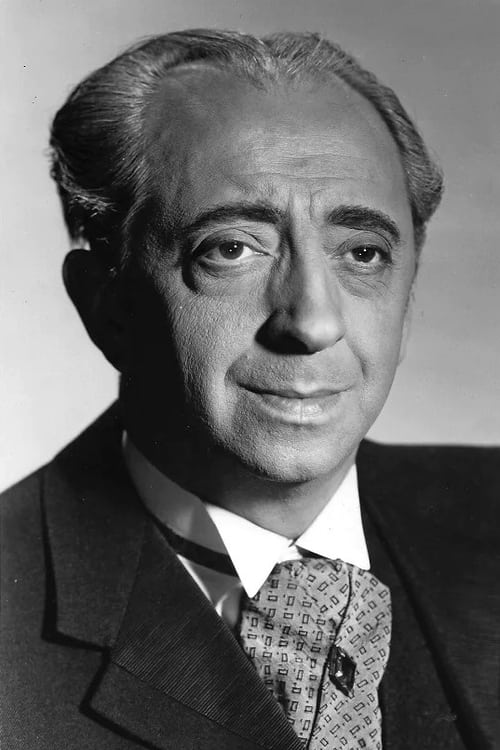
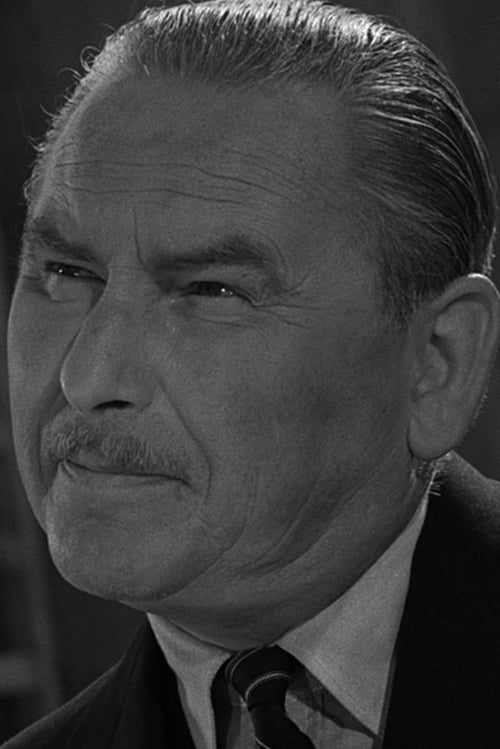

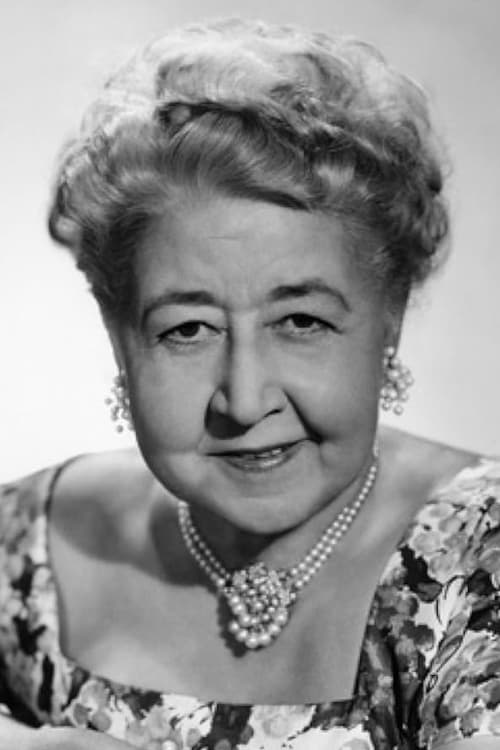
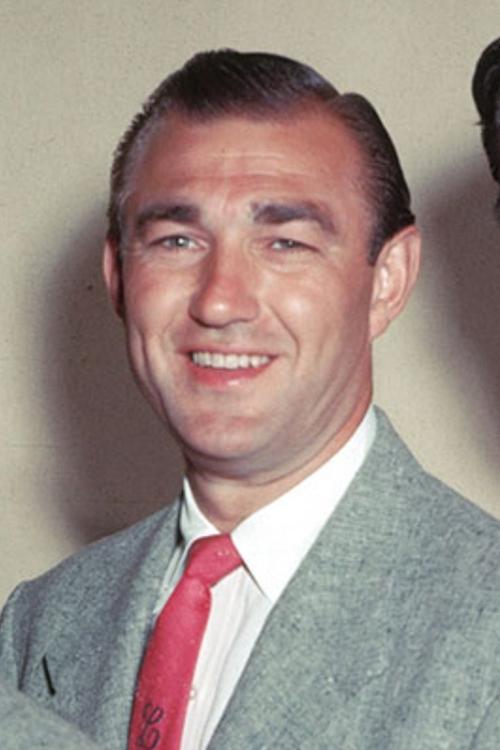
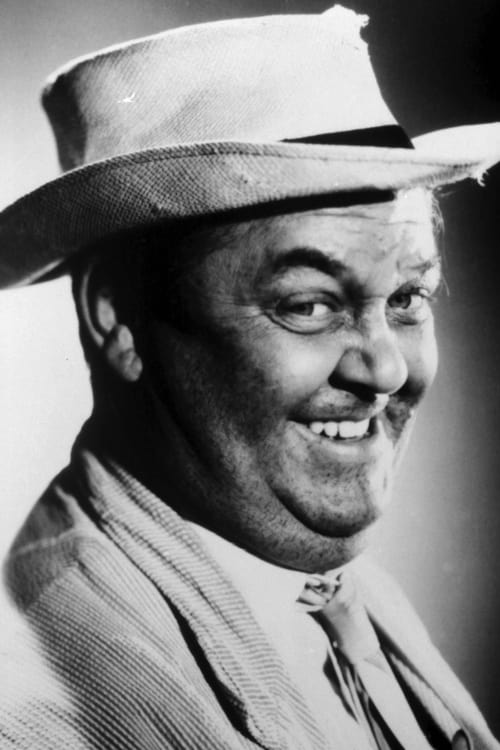
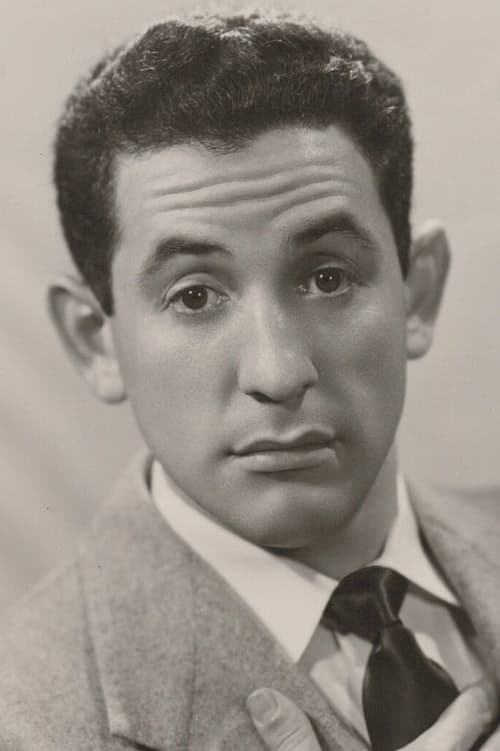
Where to Watch
Stream

Rent





Buy
Powered by JustWatch
Popularity Trend
Last 30 Days
This chart shows the popularity trend over the past 30 days.
Media
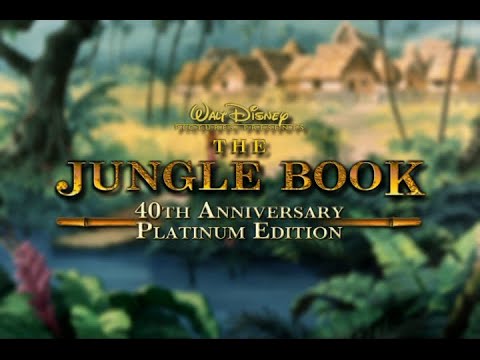
The Jungle Book - 2007 Platinum Edition DVD Trailer #1
Trailer
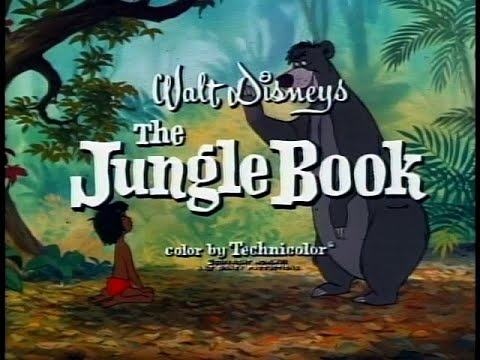
The Jungle Book - 1967 Theatrical Trailer
Trailer
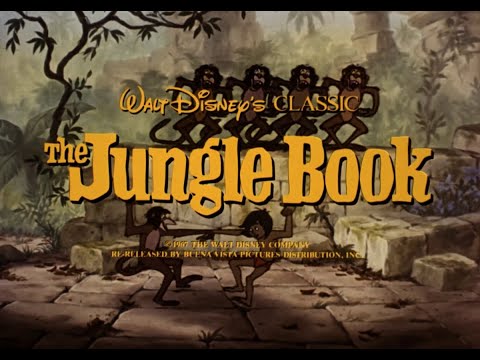
The Jungle Book - 1990 Reissue Trailer (35mm 4K)
Trailer
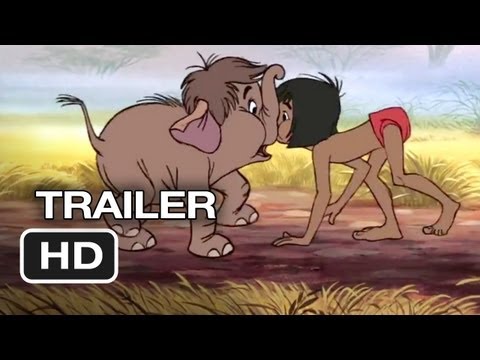
The Jungle Book Official Diamond Edition Blu-ray Trailer (2013) - Disney Movie HD
Trailer
Social
K
A review by Kamurai
6.0
Written on July 16, 2020
Good watch, might watch again, and can recommend if you've seen any other version or are looking for a writing analysis.
During a lot of the movie, I was kind of in nostalgia mode, remember things I saw / felt when I was a kid, just sort of enjoying the way back machine experience.
It wasn't until almost the very last scene that it clicked how good the writing is in this. I know this is known for the excellent animation styling, the catchy tunes, and charming coming of age semantics, but this uses several strong formulas that have been used since Aesop's fables.
And that's what made me realize the writing quality, I felt as if I was watching an on fable with moral lessons of consequence. Up until that point I was mentally preparing how this 1967 animation is actually a perfect metaphor for 2020 entitled child entering the real world: never being told no, even to the threat of great, potentially lethal, loss because even in the face of danger, they've been taught that they deserve, even in the logic that it can't be true on both sides though both believe that. Hmmm, that sounds a lot like religious war.
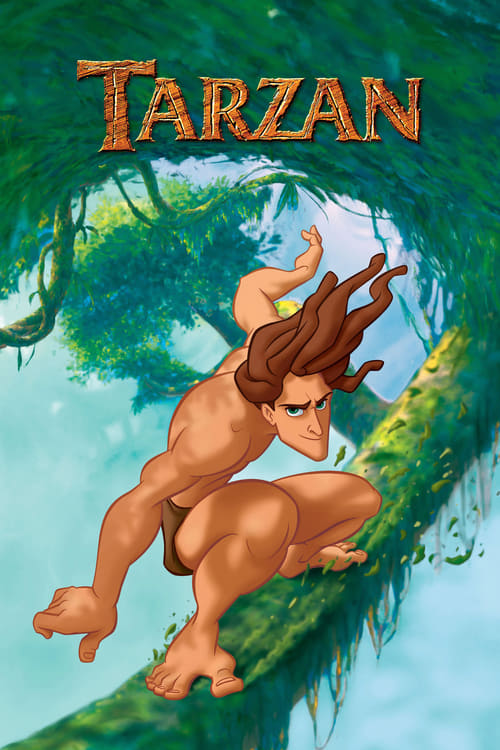
Digressing back to the writing: Mowgli embodies naivety, narcissism, entitlement, whatever you would like to call as he's a victim / ward of extreme chances of compassion: he just happens to luck into survival wherever he goes. While Tarzan makes more sense, this is character development for the series of situations (each one their own potential fable) with the main character shifting to and fro from Bagera to Mowgli to Balloo, each one being taught lessons as the adventure continues.
With the representation of the jungle and the adversities that Mowgli faces, Mowgli slowly learns what Bagera and Baloo both know: most people are only interested in their own interests, but sometimes those that have enough can be in a position to help others. The xenoism (racism) that Sher Khan has for Mowgli as a human is enough for these predators give up his companionship to help him to the man-village.
The really odd lesson is that Mowgli embraces the self-interest needed in the jungle, despite dialogue to the contrary.
During a lot of the movie, I was kind of in nostalgia mode, remember things I saw / felt when I was a kid, just sort of enjoying the way back machine experience.
It wasn't until almost the very last scene that it clicked how good the writing is in this. I know this is known for the excellent animation styling, the catchy tunes, and charming coming of age semantics, but this uses several strong formulas that have been used since Aesop's fables.
And that's what made me realize the writing quality, I felt as if I was watching an on fable with moral lessons of consequence. Up until that point I was mentally preparing how this 1967 animation is actually a perfect metaphor for 2020 entitled child entering the real world: never being told no, even to the threat of great, potentially lethal, loss because even in the face of danger, they've been taught that they deserve, even in the logic that it can't be true on both sides though both believe that. Hmmm, that sounds a lot like religious war.
Digressing back to the writing: Mowgli embodies naivety, narcissism, entitlement, whatever you would like to call as he's a victim / ward of extreme chances of compassion: he just happens to luck into survival wherever he goes. While Tarzan makes more sense, this is character development for the series of situations (each one their own potential fable) with the main character shifting to and fro from Bagera to Mowgli to Balloo, each one being taught lessons as the adventure continues.
With the representation of the jungle and the adversities that Mowgli faces, Mowgli slowly learns what Bagera and Baloo both know: most people are only interested in their own interests, but sometimes those that have enough can be in a position to help others. The xenoism (racism) that Sher Khan has for Mowgli as a human is enough for these predators give up his companionship to help him to the man-village.
The really odd lesson is that Mowgli embraces the self-interest needed in the jungle, despite dialogue to the contrary.