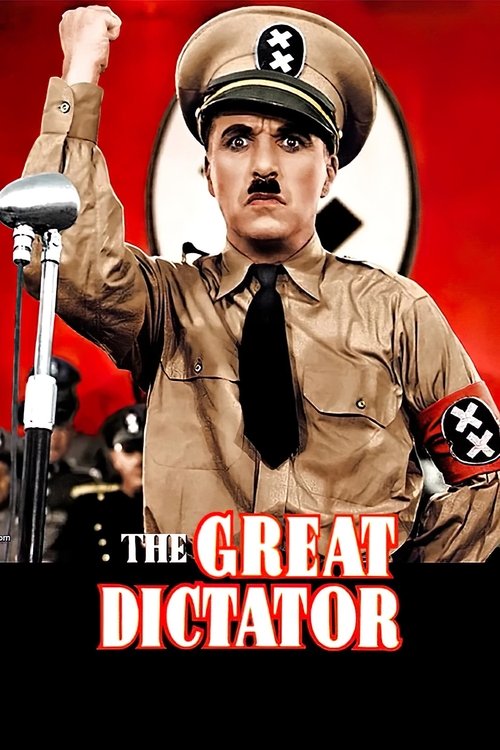
The Great Dictator(1940)
NR
10/15/1940 (US)Comedy, War2h 5m8.3
"Once again - the whole world laughs!"
Overview
Dictator Adenoid Hynkel tries to expand his empire while a poor Jewish barber tries to avoid persecution from Hynkel's regime.
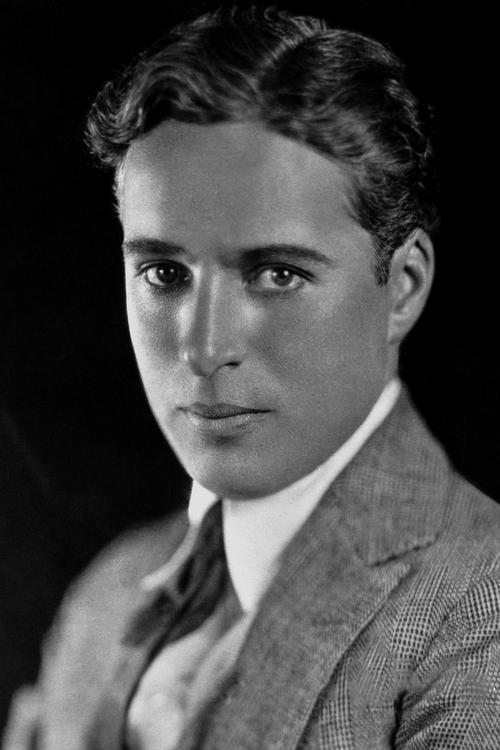
Charlie Chaplin
Director
Charlie Chaplin
Screenplay
Top Billed Cast

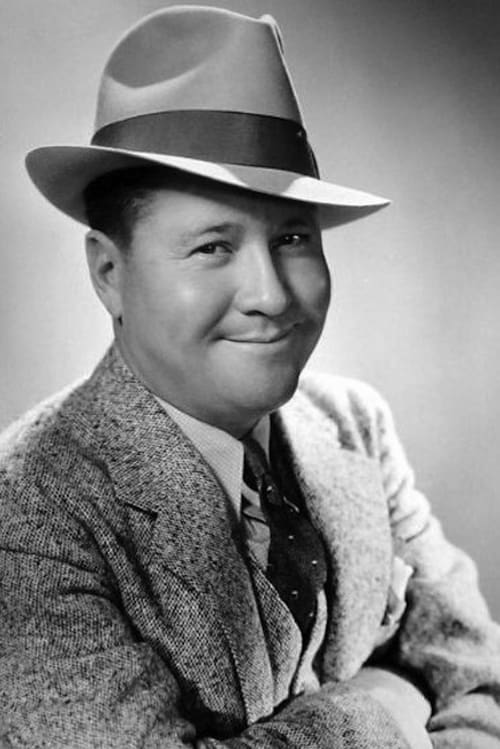
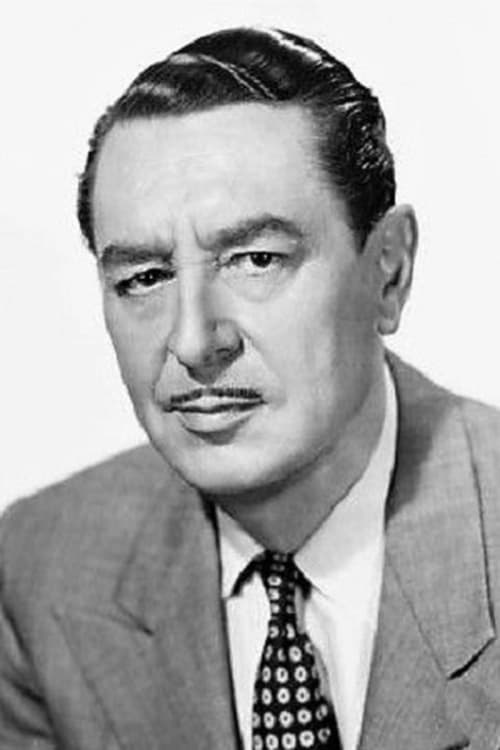
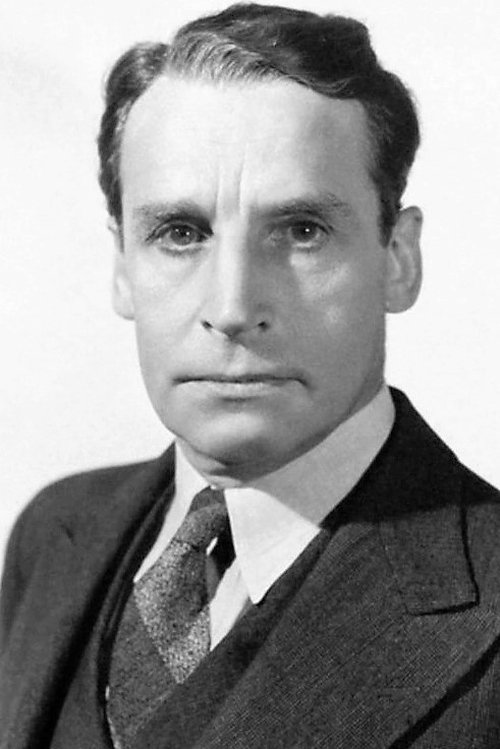
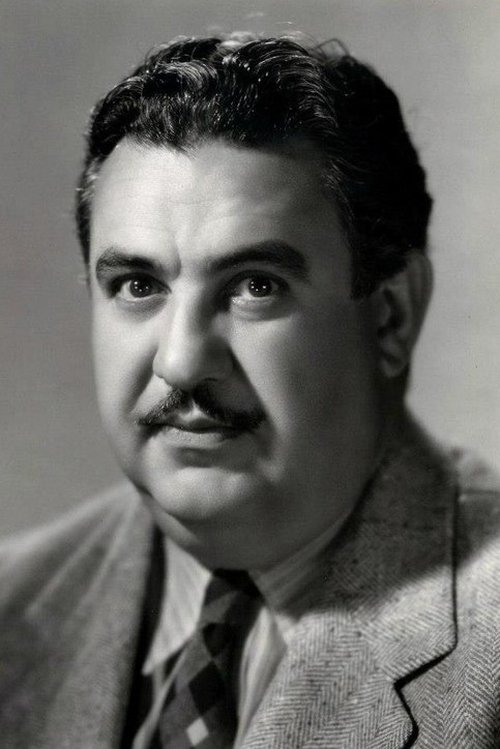
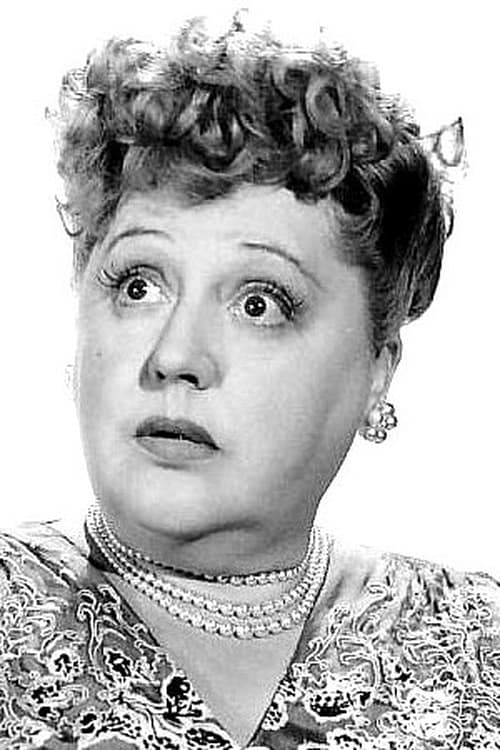
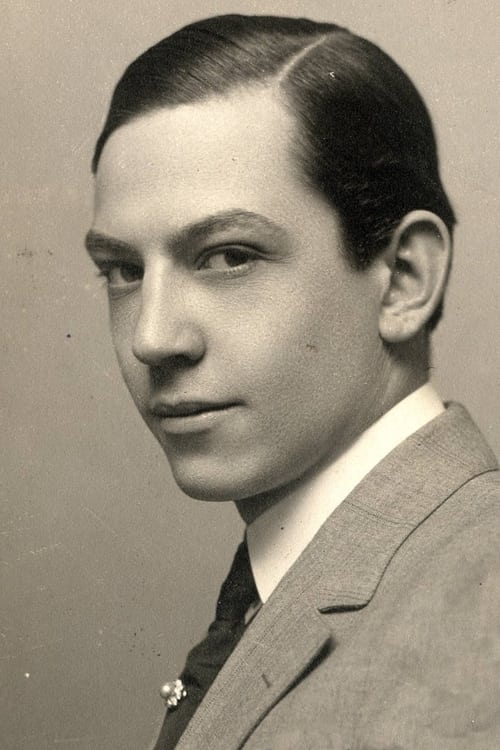
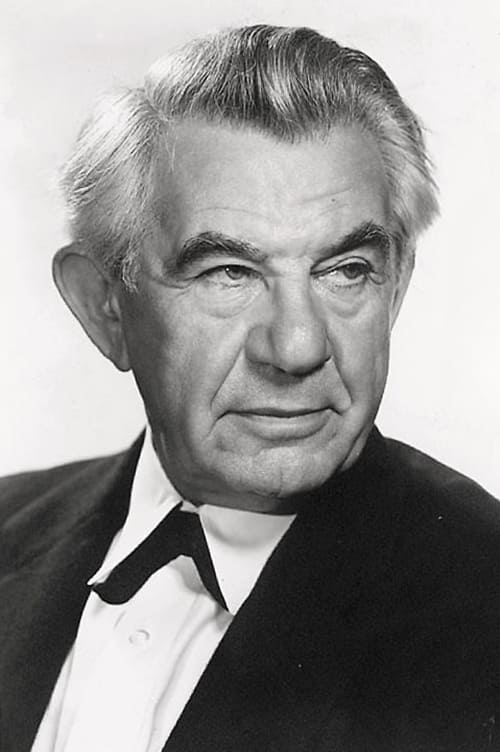
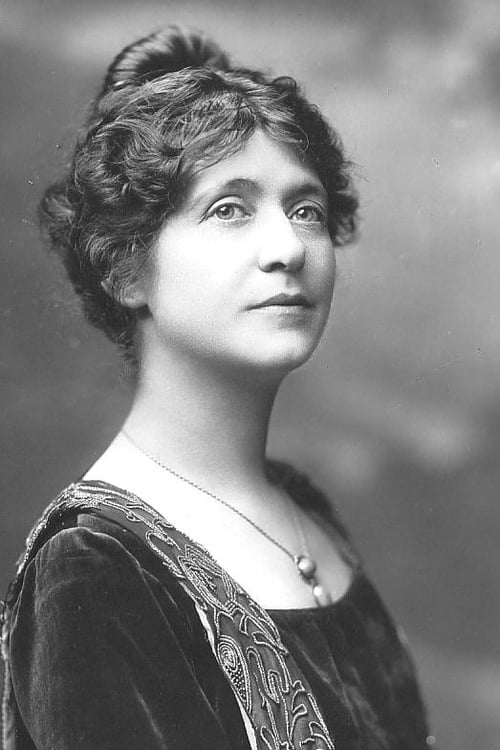
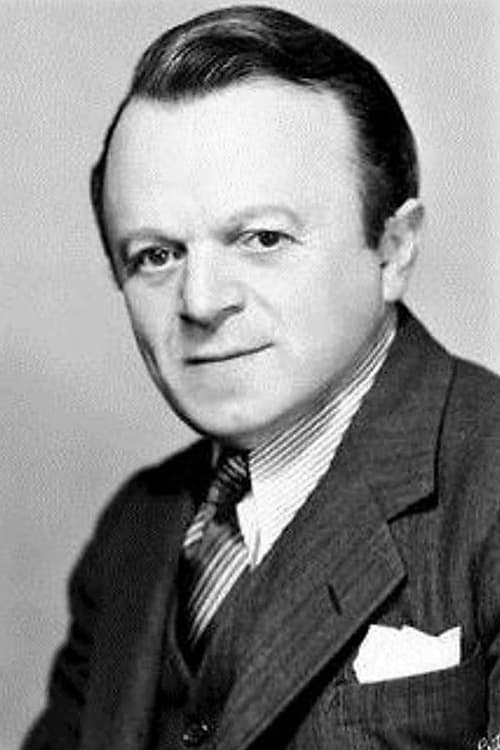
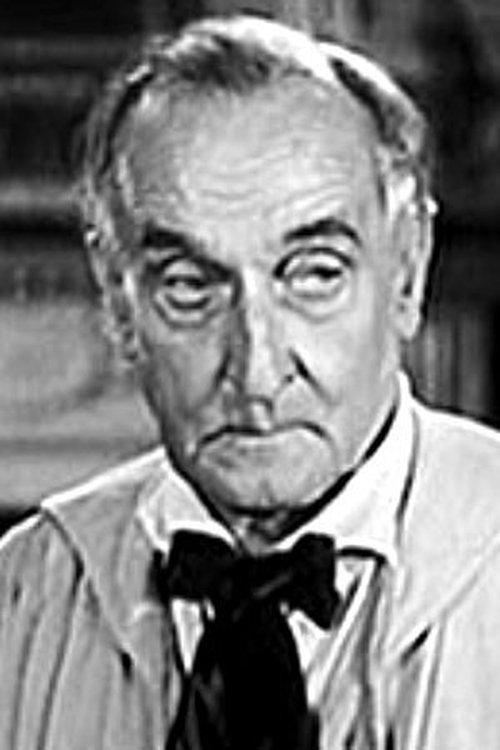
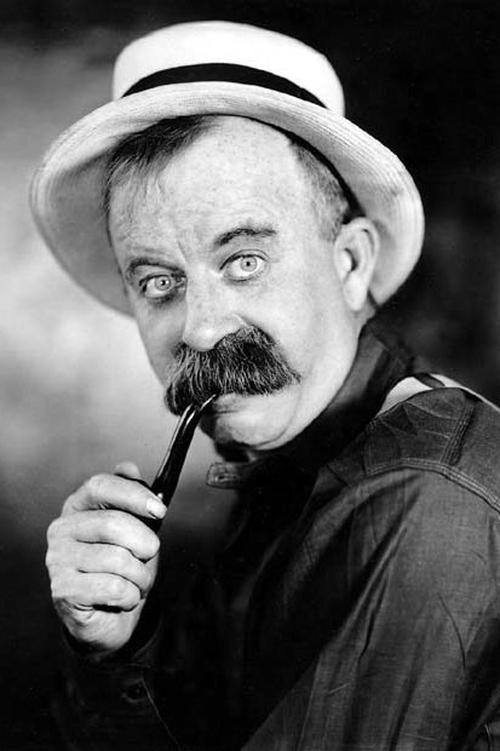

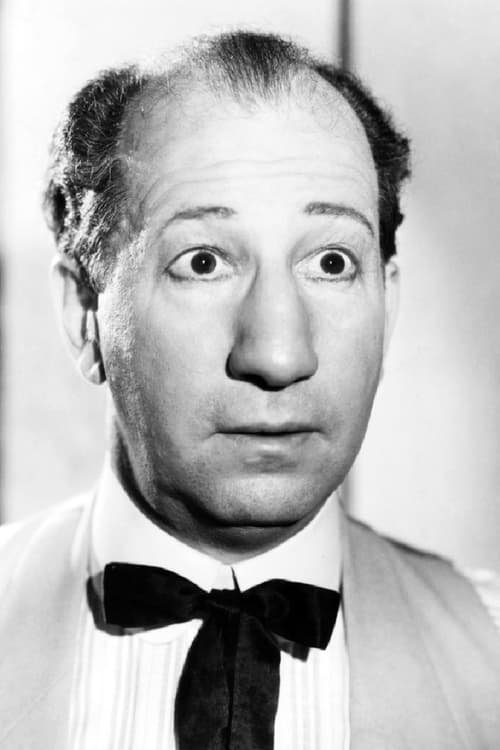
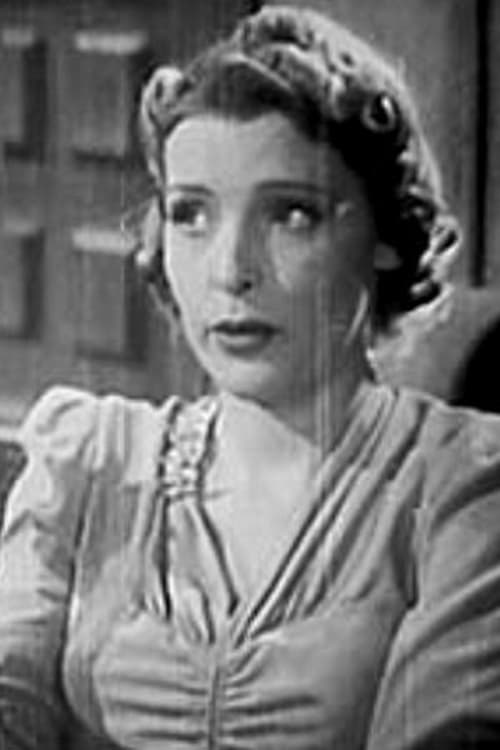
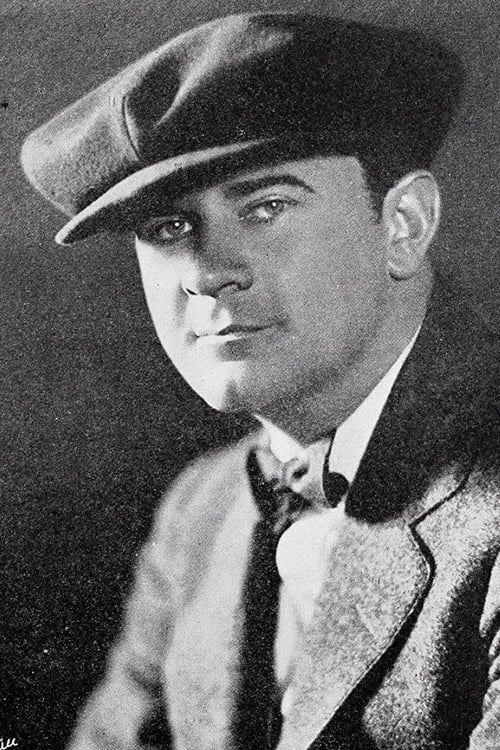
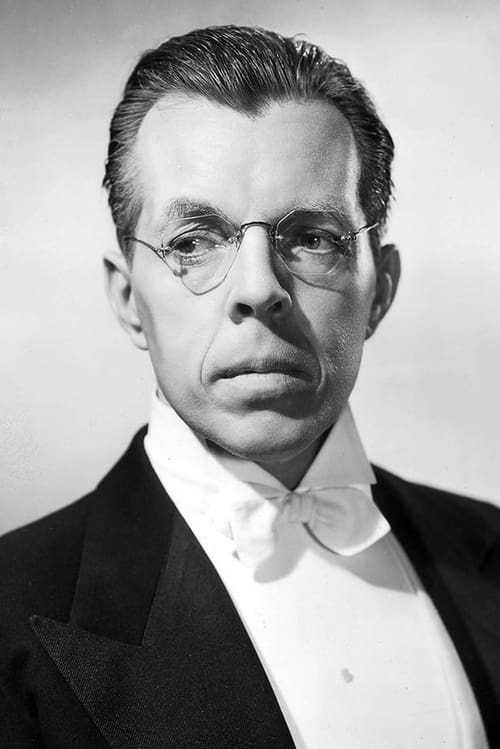
Where to Watch
Stream


Rent



Buy
Powered by JustWatch
Popularity Trend
Last 30 Days
This chart shows the popularity trend over the past 30 days.
Media

Original Trailer
Trailer
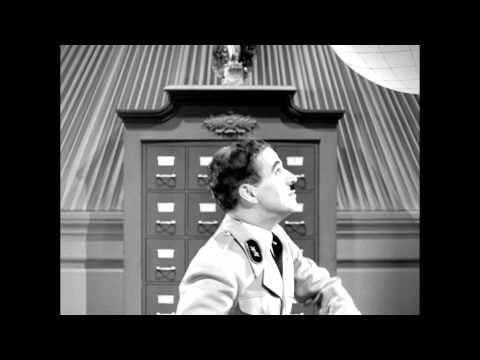
THE GREAT DICTATOR Trailer (1940) - The Criterion Collection
Trailer
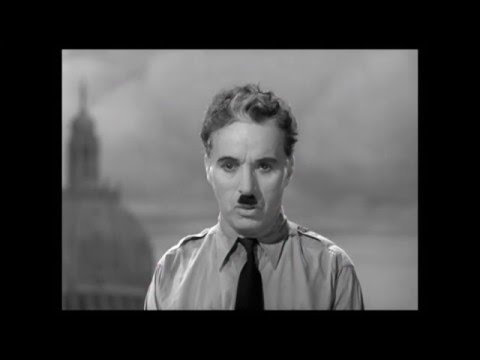
Charlie Chaplin - Final Speech from The Great Dictator
Clip
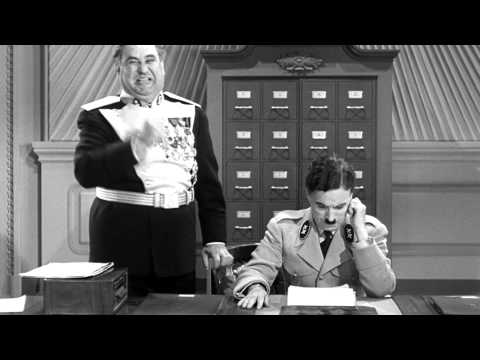
Three Reasons: The Great Dictator
Featurette
Social
W
A review by wizzardss
8.0
Written on February 18, 2021
In September 1939, six days after Britain declared war on Nazi Germany, Charlie Chaplin began filming his next feature. Drawing on the public perception of the similarities between himself and Adolf Hitler - not just his toothbrush moustache but also their upbringings - Chaplin sought to directly parody and attack the German führer and fascism.
In _The Great Dictator_, Adenoid Hynkel (Chaplin) rules Tomania and sets about his conquest of the world. In doing so, he persecutes Jewish people, including a former veteran of World War I who is now a barber (also Chaplin).
Unsurprisingly, the film was a hit on release, resonating well with the anti-Nazi sentiment in both American and British public. Chaplin understood that delivering his political message was so important that he forewent his usual desire for a silent film in order to get his message across.
Sound is used to great effect in _The Great Dictator_. By studying many of Hitler's speeches, Chaplin was able to create a ludicrous, yet believable, gibberish parody of the Nazi leader's oratory style.
Of course, the physical comedy remains, typically reserved for the barber (who may or may not be Chaplin's silent hero, The Tramp). This combination of physical comedy and irreverent one liners together makes the film feel like a very early Carry On.
While _The Great Dictator_ remains arguably Chaplin's best "talkie", it often feels like it is the end of Chaplin's era of classical pantomime. People being hit on the head with a saucepan comes across as a cheap laugh and it is often the verbal jokes that are the cleverest. Overall the comedy has not aged well.
But _The Great Dictator_ was never designed for longevity. It was perfect propaganda for the Allies, released at a perfect point in the War. For that reason, The Great Dictator can only be judged in the context of its release.
In _The Great Dictator_, Adenoid Hynkel (Chaplin) rules Tomania and sets about his conquest of the world. In doing so, he persecutes Jewish people, including a former veteran of World War I who is now a barber (also Chaplin).
Unsurprisingly, the film was a hit on release, resonating well with the anti-Nazi sentiment in both American and British public. Chaplin understood that delivering his political message was so important that he forewent his usual desire for a silent film in order to get his message across.
Sound is used to great effect in _The Great Dictator_. By studying many of Hitler's speeches, Chaplin was able to create a ludicrous, yet believable, gibberish parody of the Nazi leader's oratory style.
Of course, the physical comedy remains, typically reserved for the barber (who may or may not be Chaplin's silent hero, The Tramp). This combination of physical comedy and irreverent one liners together makes the film feel like a very early Carry On.
While _The Great Dictator_ remains arguably Chaplin's best "talkie", it often feels like it is the end of Chaplin's era of classical pantomime. People being hit on the head with a saucepan comes across as a cheap laugh and it is often the verbal jokes that are the cleverest. Overall the comedy has not aged well.
But _The Great Dictator_ was never designed for longevity. It was perfect propaganda for the Allies, released at a perfect point in the War. For that reason, The Great Dictator can only be judged in the context of its release.