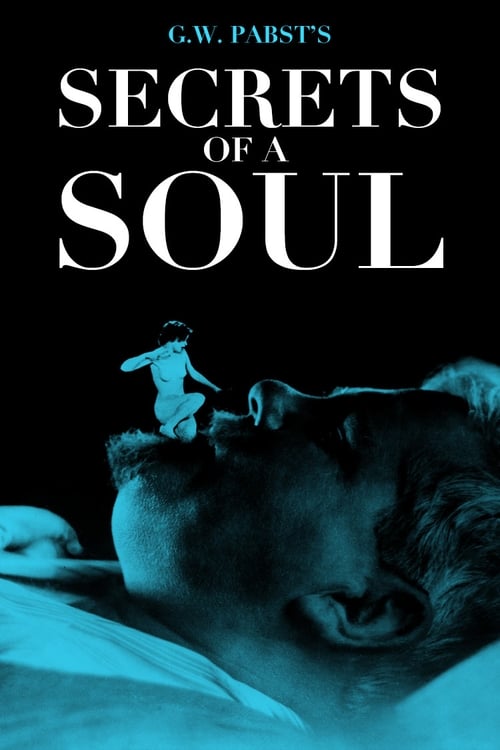
Secrets of a Soul(1926)
03/24/1926 (US)Drama1h 15m
6.2
"A Psychoanalytic Thriller"
Overview
Scientist Martin Fellmann is tormented by an irrational fear of knives and the irresistible compulsion to murder his wife. Driven to the brink of madness by fantastic nightmares, he encounters a psychoanalyst who offers to treat the perplexing malady.
G.W. Pabst
Director
Karl Abraham
Writer
Hans Neumann
Writer
Colin Ross
Writer
Hanns Sachs
Writer
Top Billed Cast



Where to Watch
No streaming providers found for this country.
Popularity Trend
Last 30 Days
This chart shows the popularity trend over the past 30 days.
Media
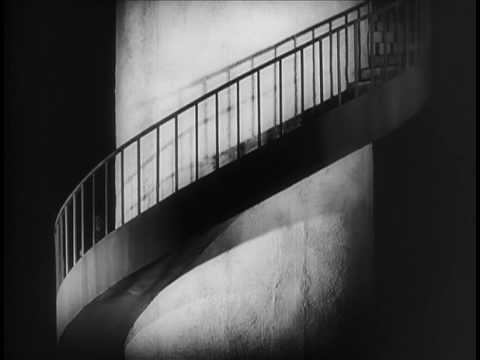
Geheimnisse einer Seele (1926)
Trailer
Social
C
A review by CinemaSerf
7.0
Written on June 6, 2022
Werner Krauss made quite a few titles with GW Pabst, and I consider this to be one of their better silent efforts together. He is the happily married "Fellman" who suddenly, and inexplicably, finds him self desirous of killing his wife (Ruth Weyher) with a knife. Now it has to be said that she could certainly be doing with an haircut, but anything else might be a tad too severe... Terrified by his new obsession, and by the impending arrival of his best friend (her cousin "Erich" - Jack Trevor) he flees their home to live with his mother (Ilka Grüning) who is reduced to cutting his food as he, by now, cannot bear to even handle a knife. Desperate, he seeks the help of "Dr. Orth" (Polycarpe Pavloff) who suggests that perhaps psychoanalysis might offer some explanation - and to the couch he goes. I suspect modern day psychiatrists would squirm at the very simplistic "it's all from an obscure or profound event from your childhood" - approach taken here, but it's almost 100 years old and the efforts and innovations being exemplified by "Orth" are quite intriguing to watch. The first cinematographic identification of the "id" that later played such a huge part in films like "The Forbidden Planet" (made thirty years later) is quite compellingly broken down for us in a perfectly plausible, if at times overly dramatic fashion. The dream sequence combines efficient special effects with his own personal allegory really quite effectively, and the score did much to add to the emotional angst of "Fellman" - who didn't actually want to murder his wife. You'll either love or hate the ending - I don't think there is much middle ground on that, but the whole thing is certainly worth catching up with.