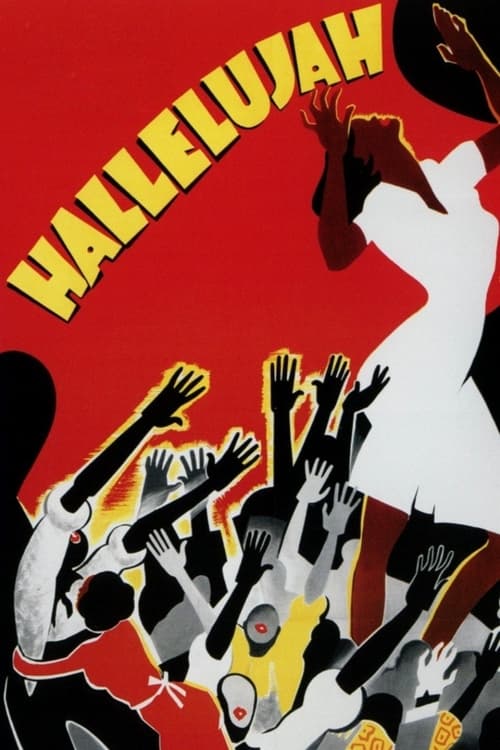
Hallelujah(1929)
08/20/1929 (US)Music, Drama1h 40m
6.7
"HEAR AND SEE 100 JUBILEE SINGERS!"
Overview
A black laborer turns preacher after accidentally killing a man.
King Vidor
Director
King Vidor
Story
Wanda Tuchock
Screenplay
Top Billed Cast

Where to Watch
Stream

Rent





Buy
Powered by JustWatch
Popularity Trend
Last 30 Days
This chart shows the popularity trend over the past 30 days.
Media
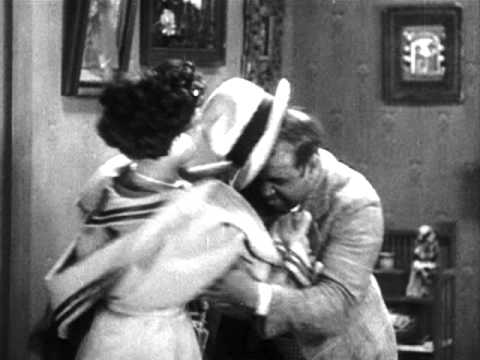
Hallelujah - Trailer
Trailer
Social
C
A review by CinemaSerf
6.0
Written on March 4, 2025
I think that to get anything at all from this, you need to try to approach it with 1929 eyes and not 2029 ones, and even then this film may no longer have any part to play as it is doesn’t so much reinforce stereotypes but quite possibly originate some. Briefly, the story sees the hoodwinked “Zeke” (Daniel L. Hayes) fall foul of of some crooked dice and lose his family’s meagre $100 cotton crop revenue. Without that they will be destitute and so a fight ensues during which his brother “Spunk” (Everett McGarrity) is slain. Distraught, “Zeke” flees the scene and seeks a solace in God that sees him swiftly return to his township reborn as pastor “Zekiel”. He’s an enthusiastic preacher whose upbeat and celebratory sermons appeal to the poverty and hope-stricken local population, and even to “Chick” (Nina Mae McKinney) who’d had an hand in luring him to his gambling predicament in the first place. Meantime, he has alighted on the feisty “Missy Rose” (Victoria Spivey) and is proposing nuptials. Thing is, “Chick” now sees the green-eyes monster rear it’s deceitful head and so nothing is likely to be straightforward for the minister. From an observer’s perspective, the characterisations here generally have a decency and goodness to them that sees them joyously steeped in their Christian faith and in a faith in their community. It’s a society with little expectation or aspiration that gets by picking cotton, eating basically and celebrating the Lord at just about every opportunity - in or out of the river. There’s a good deal of charisma on display here too, but always in the back of my mind I was wondering just how conscience-easing this presentation was from a King Vidor who’s own political views would have had to compromise with the prevailing attitudes of an American audience who were, at best perhaps indifferent, at worst downright hostile to even the vaguest idea that these uneducated African Americans were at anything like the same level of the gene pool as their “superiors”. As you might expect, there is a fair amount of singing and dancing and certain aspects of the behaviour of the men towards the women play uncomfortably a century later, but as a piece of cinema that depicts attitudes to both entertainment and fellow human beings, it is still worth a watch as perhaps, and just perhaps, it offers us some green shoots portending change?