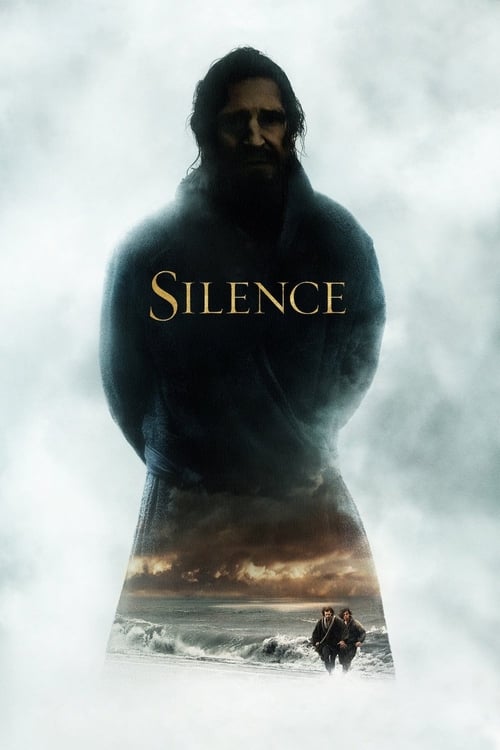
Silence(2016)
R
12/23/2016 (US)Drama, History2h 41m7.1
"Sometimes silence is the deadliest sound."
Overview
In the 17th century, two Portuguese Jesuit priests travel to Japan in an attempt to locate their mentor, who is rumored to have committed apostasy, and to propagate Catholicism.
Jay Cocks
Screenplay
Martin Scorsese
Screenplay
Martin Scorsese
Director
Top Billed Cast








Where to Watch
Rent





Buy
Powered by JustWatch
Popularity Trend
Last 30 Days
This chart shows the popularity trend over the past 30 days.
Media
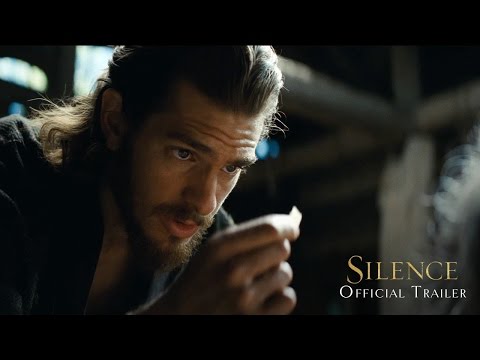
Official Trailer
Trailer
Official DVD Trailer
Teaser

20'' Spot
Teaser
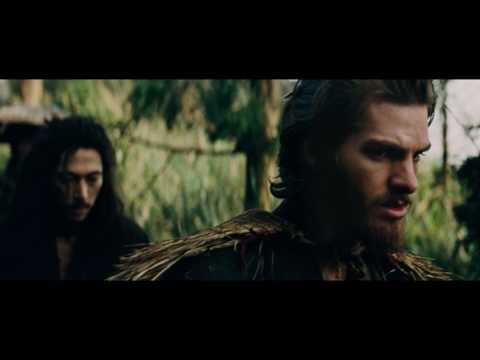
"Andrew Garfield" Featurette
Featurette
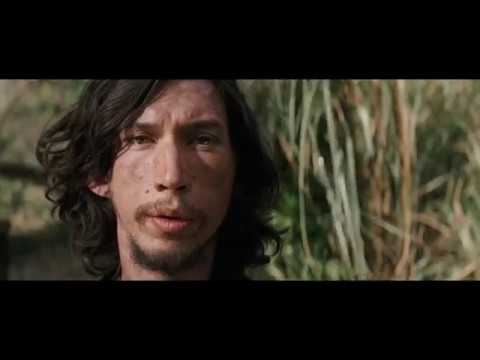
"Adam Driver" Featurette
Featurette
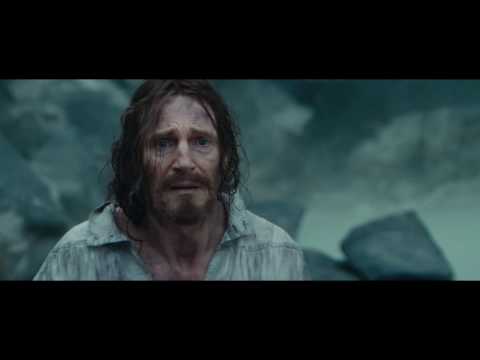
"Liam Neesen" Featurette
Featurette

"Marty's Passion" Featurette
Featurette
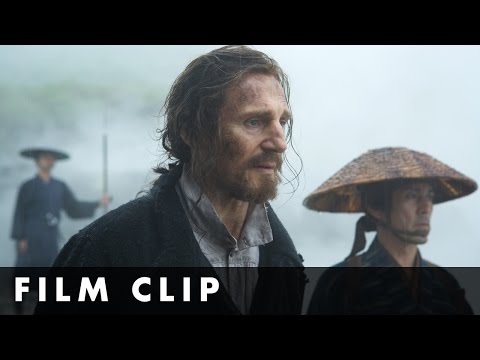
Official Clip
Clip

Official TV Spot
Teaser
Social
W
A review by Wuchak
4.0
Written on March 17, 2024
**_Great filmmaking, cast and locations, but strangely inert (overlong) story_**
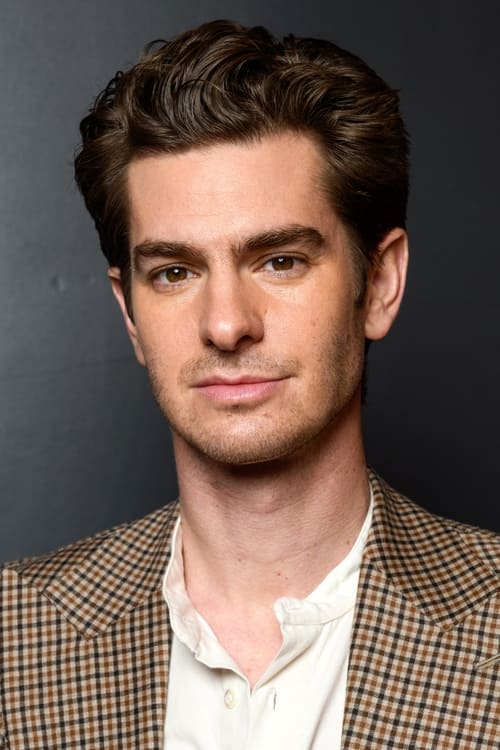
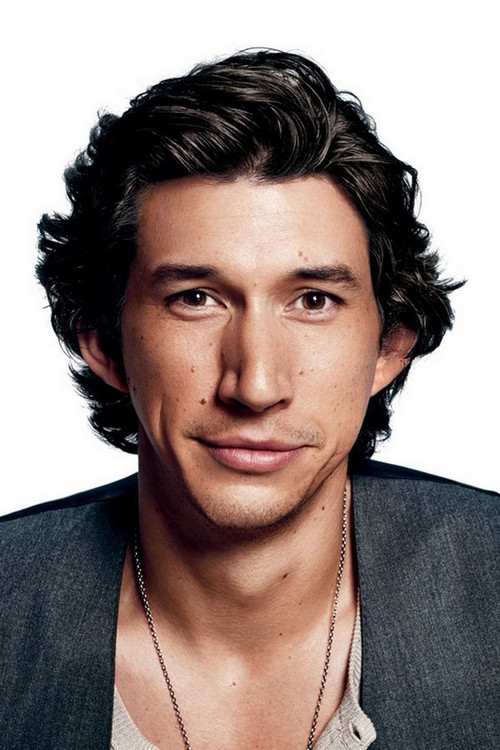
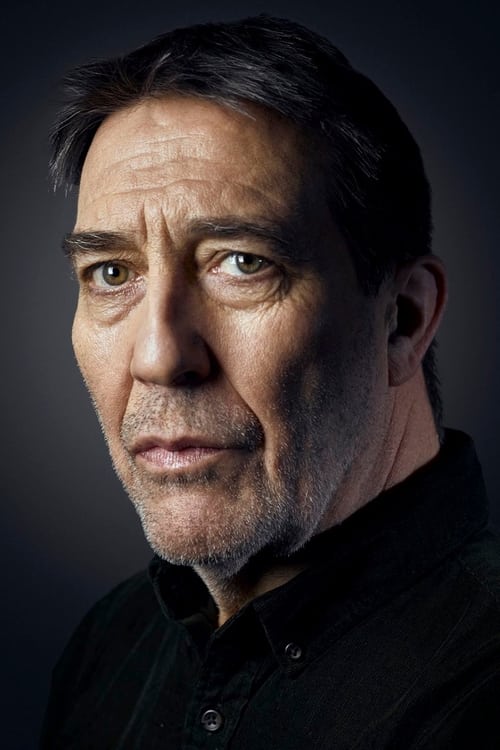
Released in late 2016 and directed by Martin Scorsese based on the novel by Shûsaku Endô, "Silence" chronicles events in 1640 when two Jesuit priests (Andrew Garfield & Adam Driver) journey to Japan to check on the persecuted church and find out what happened to their mentor, whom it is rumored fell from the faith (Liam Neeson). Issei Ogata is on hand as the sadistic, but seemingly reasonable Japanese inquisitor.
The Jesuits were a society of Catholic missionaries started in 1540 in response to the spreading evangelism of the Protestant reformers. They were an essential part of the Roman counter-Reformation. With this in mind, the seeming Christianity portrayed in the movie is decidedly Catholic in nature, with the requisite unbiblical stuff, like confessions to priests, icons, rosary beads, etc.
In tone and theme, "Silence" is reminiscent of movies like the excellent "Black Robe" (1991), the solid "The Mission" (1986) and the surprisingly great "Black Death" (see my review). There are also elements of "The Bridge on the River Kwai" (1957). If you appreciate any of these films you might appreciate "Silence," but it didn't work for me. Sure, Scorsese is a great auteur and so the filmmaking is top-of-the-line – the cinematography, the cast, the costuming, locations and score. Unfortunately, the story's not compelling and I never connected with the main character, despite Garfield's quality performance.
There's some worthy mindfood (or spiritfood) to glean from the proceedings, however, like: Why does God allow the excruciating persecution of His faithful? Why is He silent? IS He silent? Can a believer be restored after cowardly denying the Lord in the face of torture/death? Can a Christian hide their faith while living in a thoroughly hostile culture? But I didn't buy for a second that the Japanese couldn't conceive of a Deity that transcends physical nature, like the sun, sea or mountain. While the idea may have been alien to their communal mindset at the time, it's absurd to think that no individual man or woman could discern the obvious (see Psalm 19:1 & Romans 1:20).
Although I'm sorta glad I saw it, "Silence" is curiously dull and overlong; and so I never care to see it again. There are far superior movies that tackle similar topics. Those who give it the highest possible rating must be fanatical devotees of Scorsese.
The movie runs 161 minutes and was shot in Taiwan and the Cathedral Of Saint Paul In Macau, China.
GRADE: C-
Released in late 2016 and directed by Martin Scorsese based on the novel by Shûsaku Endô, "Silence" chronicles events in 1640 when two Jesuit priests (Andrew Garfield & Adam Driver) journey to Japan to check on the persecuted church and find out what happened to their mentor, whom it is rumored fell from the faith (Liam Neeson). Issei Ogata is on hand as the sadistic, but seemingly reasonable Japanese inquisitor.
The Jesuits were a society of Catholic missionaries started in 1540 in response to the spreading evangelism of the Protestant reformers. They were an essential part of the Roman counter-Reformation. With this in mind, the seeming Christianity portrayed in the movie is decidedly Catholic in nature, with the requisite unbiblical stuff, like confessions to priests, icons, rosary beads, etc.
In tone and theme, "Silence" is reminiscent of movies like the excellent "Black Robe" (1991), the solid "The Mission" (1986) and the surprisingly great "Black Death" (see my review). There are also elements of "The Bridge on the River Kwai" (1957). If you appreciate any of these films you might appreciate "Silence," but it didn't work for me. Sure, Scorsese is a great auteur and so the filmmaking is top-of-the-line – the cinematography, the cast, the costuming, locations and score. Unfortunately, the story's not compelling and I never connected with the main character, despite Garfield's quality performance.
There's some worthy mindfood (or spiritfood) to glean from the proceedings, however, like: Why does God allow the excruciating persecution of His faithful? Why is He silent? IS He silent? Can a believer be restored after cowardly denying the Lord in the face of torture/death? Can a Christian hide their faith while living in a thoroughly hostile culture? But I didn't buy for a second that the Japanese couldn't conceive of a Deity that transcends physical nature, like the sun, sea or mountain. While the idea may have been alien to their communal mindset at the time, it's absurd to think that no individual man or woman could discern the obvious (see Psalm 19:1 & Romans 1:20).
Although I'm sorta glad I saw it, "Silence" is curiously dull and overlong; and so I never care to see it again. There are far superior movies that tackle similar topics. Those who give it the highest possible rating must be fanatical devotees of Scorsese.
The movie runs 161 minutes and was shot in Taiwan and the Cathedral Of Saint Paul In Macau, China.
GRADE: C-