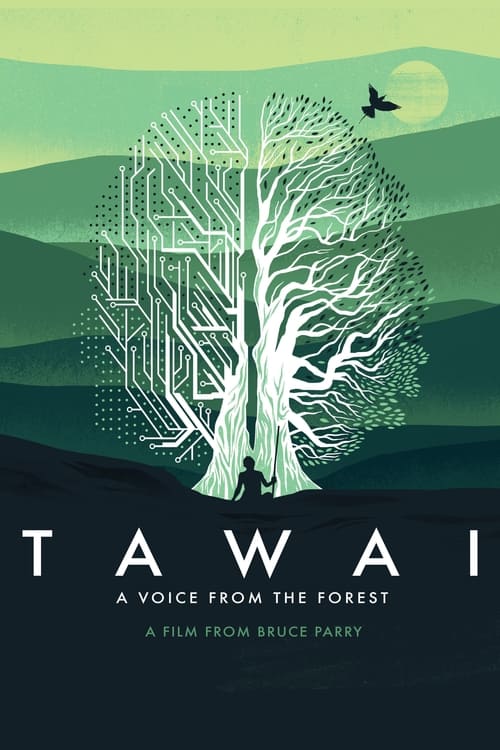
Tawai: A Voice from the Forest(2017)
09/29/2017 (US)Documentary1h 41m
6.2
Overview
Explorer Bruce Parry visits nomadic tribes in Borneo and the Amazon in hope to better understand humanity's changing relationship with the world around us.
Bruce Parry
Director
Mark Ellam
Director
Véronique Cabois
Writer
Bruce Parry
Writer
Chris Seward
Writer
Rory Spowers
Writer

Where to Watch
Stream


Rent




Buy
Powered by JustWatch
Popularity Trend
Last 30 Days
This chart shows the popularity trend over the past 30 days.
Media
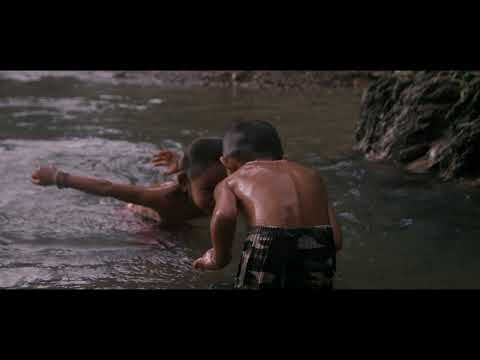
Tawai - A voice from the forest - Trailer
Trailer

TRAILER (THEY CALL IT TAWAI)
Trailer
TAWAI - A voice from the forest | Trailer (Theatrical) | A film from Bruce Parry | In cinemas Now
Trailer

TRAILER (UK THEATRICAL)
Trailer

Lessening your Wants
Clip

TAWAI II - Ayahuasca
Featurette
Social
T
A review by tomiscool
Written on October 4, 2017
There's a lot to cover here. Bruce Parry's latest foray into tribal exploration goes further than the usual appeals to civilisation's lost sense of unity with the world. Don't get me wrong, it's there, making up the titular theme (Tawai literally translates to a relationship with nature), and categorising, for the first half or so, the film's primary message. But thereafter Parry takes an interesting turn, focusing on the psychological and sociological aspects of certain tribes in Borneo and the Amazon. Parry's thesis is that after the invention of agriculture sometime in the neolithic, and the subsequent abandonment of the hunter-gatherer lifestyle, human psychology, specifically the way we perceive and relate to the world around us, changed forever. Parry uses these nomadic tribes, still employing the hunter-gatherer way of life, as case studies to back up his claim. He also consults with experts in tribal sociology and neuroscience who posit corroborating ideas. And a third angle is seen through the lens of eastern philosophy, mindfulness and the illusion of self. Parry draws parallels between all three sections seemingly building a strong argument for a "better way of life": a right-hemisphere dominated (we in the west predominantly use the left), purely egalitarian, selfless existence. But with closer inspection the foundations appear weak: anecdotal accounts from tribes people are just exactly that; sociological structures are analysed and commended without any considerations for how they'd work in populations over 30; and the neuroscience (which I'm obviously not qualified to comment on) comes from one professional, which even by his own proclamation appears to be a fringe theory. And as far as my limited understanding goes, eastern philosophy has commanded authority only in 'spiritual' wisdom (philosophy of mind etc.) over the centuries, whereas the west is far superior scientifically, politically and ethically, build upon the ideas of the enlightenment. The film's lack of acknowledgement of this asymmetry worries me, even going as far as to portray the east as the superior. But the fact still stands, by every conceivable metric of human well being—life expectancy, child mortality, literacy etc.—living in the west is the best in the world. Nuggets of wisdom found in eastern tradition, buried beneath their many layers of sectarian mysticism, should be respected for what they are. And lessons about our relationship with the world from people living directly off it should too. But a loss of perspective can turn small lessons into large errors, mistaking a voice from the forest for a call back to it.
I like plumbing.
I like plumbing.