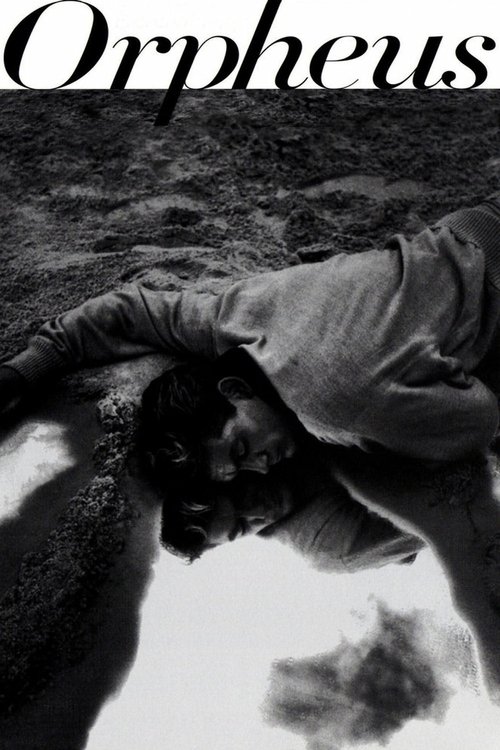
Orpheus(1950)
NR
09/29/1950 (US)Romance, Fantasy, Drama1h 35m7.7
Overview
A famous poet in postwar Paris, scorned by the Left Bank youth, is in love with both his wife Eurydice and a mysterious princess. Seeking inspiration, the poet becomes obsessed and follows the princess from the world of the living to the land of the dead.
Jean Cocteau
Director
Jean Cocteau
Writer
Top Billed Cast
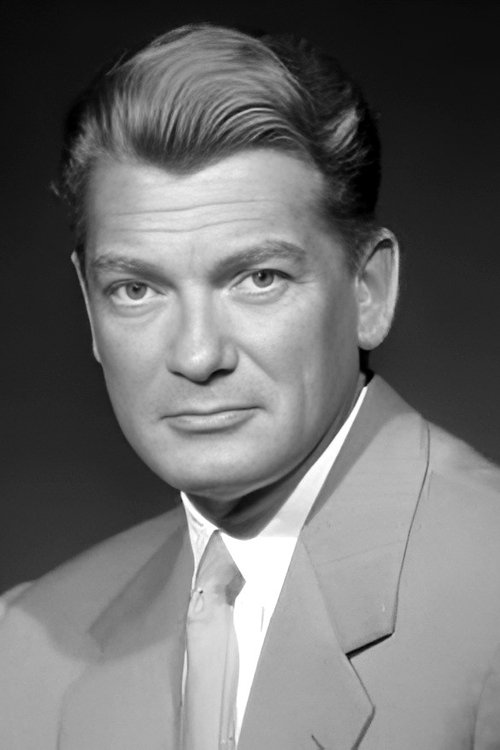
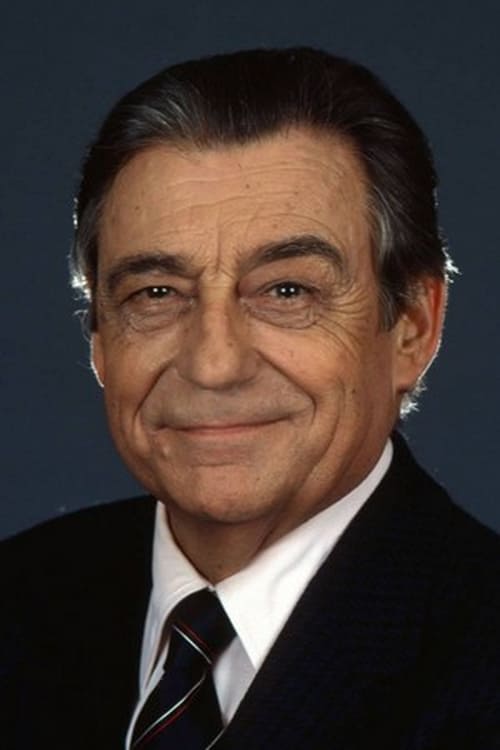
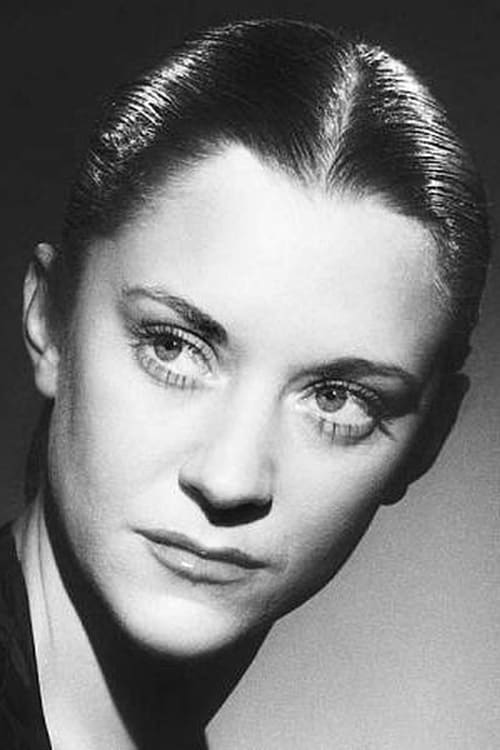


Where to Watch
Stream


Powered by JustWatch
Popularity Trend
Last 30 Days
This chart shows the popularity trend over the past 30 days.
Media
New trailer for Orphée - back in cinemas 19 October | BFI
Trailer
Three Reasons: Orpheus
Trailer
Social
C
A review by CinemaSerf
7.0
Written on February 5, 2024
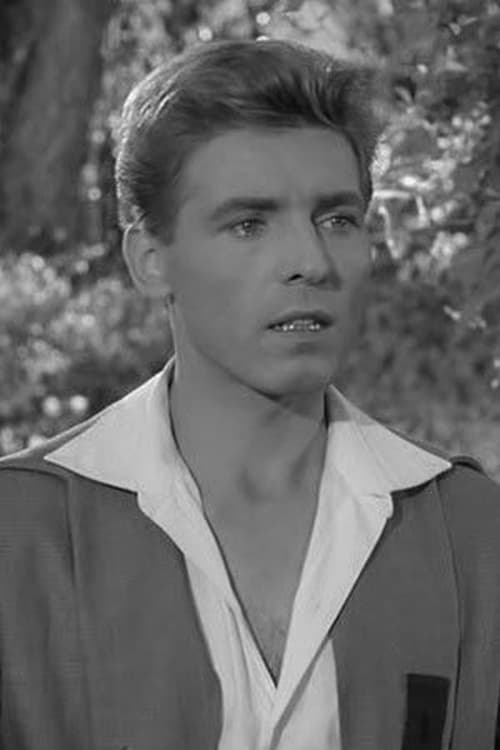
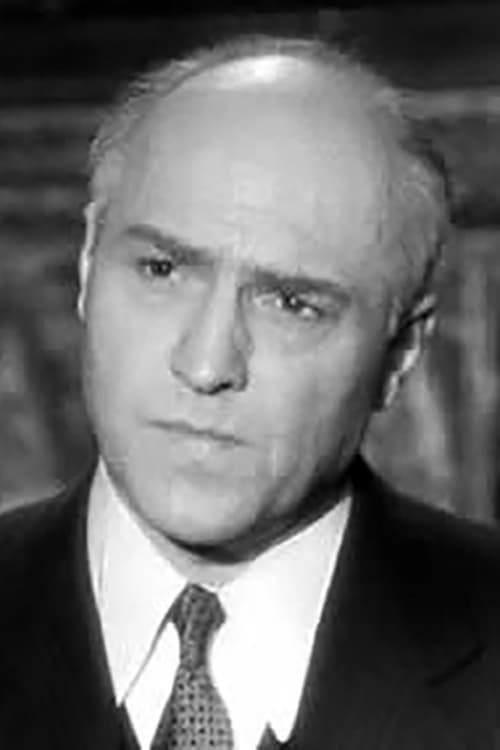
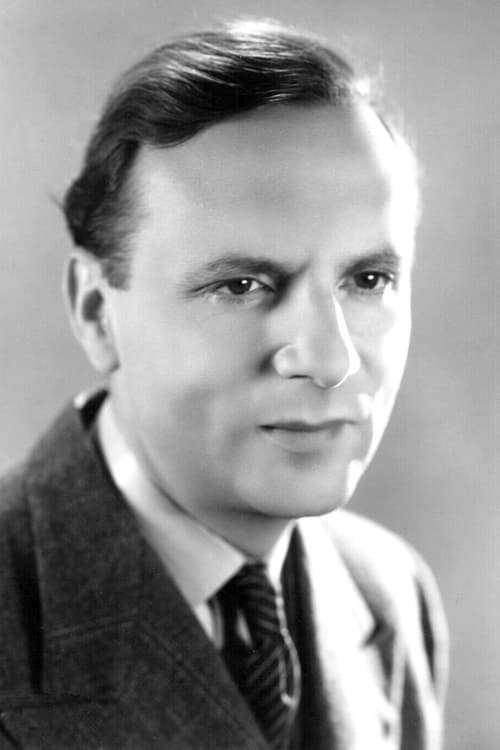
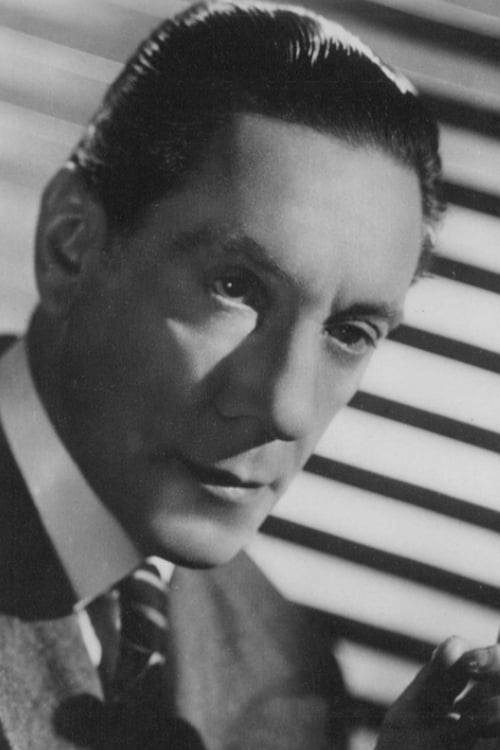
Accomplished poet "Orphée" (Jean Marais) is sitting in a café with a friend one afternoon when a fracas breaks out with some local students that necessitates the intervention of the police and causes a tragedy to occur. A woman in a Rolls Royce turns up and asks her aides to put an injured man into her car. Shen then rather bossily requires the writer to accompany her as a witness. He assumes they are going to hospital, but it turns out the man - "Cegeste" (Edouard Dermithe) is already dead and that she (María Casares), well she is certainly not the "princess" she purports to be. If you're at all familiar with the "Orpheus" episode from Greek legend then you will be able to guess much of the rest of this as he finds himself embroiled in the plottings of Death. The complication here is that she takes a bit of a shine to him, and her chauffeur "Heurtebise" (Francois Périer) falls in love with his wife "Eurydice" (Marie Déa). My what a web we do weave. Now all in the underworld, a tribunal of death rules that things have not gone to plan and that the husband and wife are to be returned to their world - but only for so long as he doesn't look at her - else back she goes. A little unfair I thought given they'd done nothing wrong and weren't on the hit list in the first place - but that was the deal. Can they make it work? Now, do they even want to? I found Marais could be quite wooden at times, indeed he might have made for a decent "Tarzan" - but here he gels well with both Déa and with a strikingly effective Casares. Cocteau manages to integrate the ancient mythology within a modern day setting in a fashion that cleverly uses simple visual effects - and mirrors - to achieve the concept of a parallel world of "Hades" without making it all look ridiculously fake. He also manages to remove just about all the gooey sentiment from this romance, too. Next time you look at a pair of rubber gloves, though - best beware!