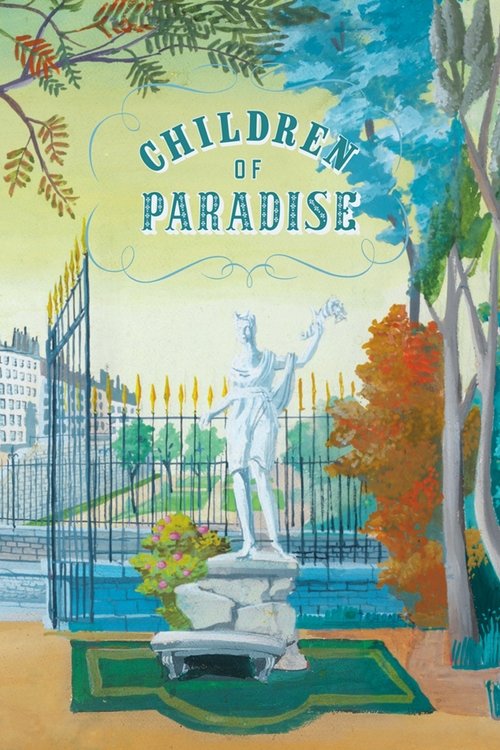
Children of Paradise(1945)
NR
03/15/1945 (US)Drama, Romance3h 10m8.1
"AT LAST! The Celebrated French Film."
Overview
In a chaotic 19th-century Paris teeming with aristocrats, thieves, psychics, and courtesans, theater mime Baptiste is in love with the mysterious actress Garance. But Garance, in turn, is loved by three other men: pretentious actor Frederick, conniving thief Lacenaire, and Count Edouard of Montray.
Marcel Carné
Director
Jacques Prévert
Screenplay
Top Billed Cast






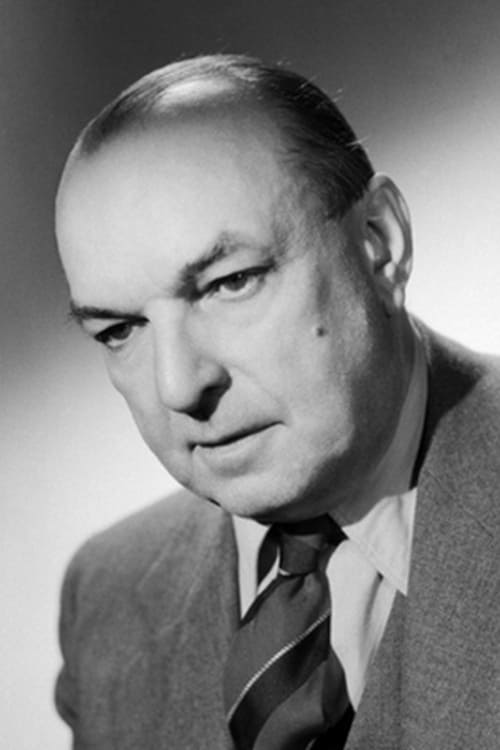
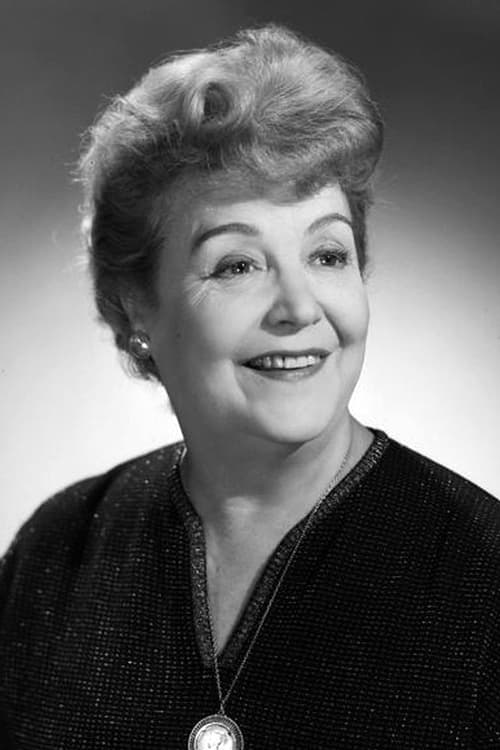
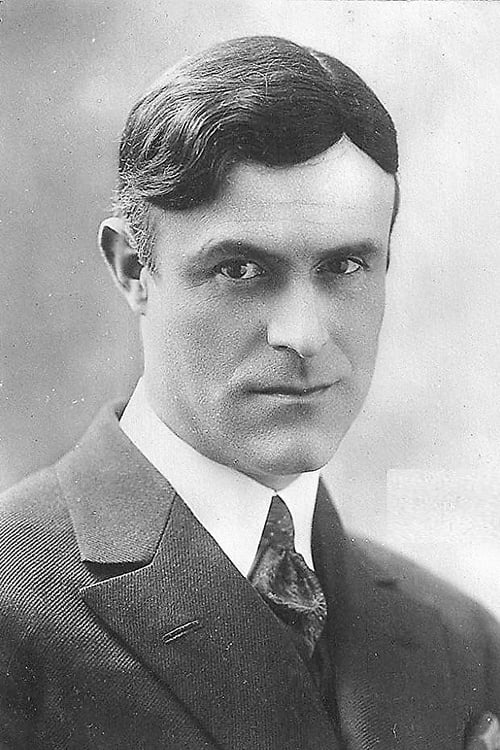











Where to Watch
Stream


Rent



Buy
Powered by JustWatch
Popularity Trend
Last 30 Days
This chart shows the popularity trend over the past 30 days.
Media

Children of Paradise - U.S. Re-Release Trailer
Trailer

Michael Peyser on CHILDREN OF PARADISE
Featurette

Three Reasons: Children of Paradise
Featurette
Social
C
A review by CinemaSerf
7.0
Written on May 16, 2024
Told in two acts with a curtain rising on both sections, this is quite a stylish, lavish even, and entertaining tale of a lady of the streets. "Garance" (Arletty) who sometimes uses her real name of "Claire Reine" is actually quite a decent woman who is wrongfully accused of pickpocketing in a busy market. Fortunately, the mime artist "Baptiste" comes to her rescue and quickly falls hook, line and sinker for the beautiful and charismatic woman. His problem is that she has no lack of suitors, and over the next three hours or so we are introduced to the lively and foppish "Lemaître" (Pierre Brasseur); the even more flamboyant but roguish "Lacenaire" (Marcel Herrand) and the aloof and sterile, but very wealthy "Comte de Montray" (Louis Salou). The plot itself isn't especially remarkable. A woman in the flushes of youth and attractiveness being sought after by a diverse collection of men. What makes this stand out is the marvellously applied mixture of heavily scored theatrical and cinematic styles. It's a love story and an adventure. How might things pan out for her as she ages, though? As her outward beauty begins to fade? Will any of them (or anyone else) still want her? Will she want them? The characters are quite roundly developed as director Marcel Carné takes his time to illustrate not just the persona of the heroine, but also those of her suitors whilst offering us a critique of a society in general that in early 19th century France mixed opulence with poverty, violence with tenderness. By using the different genres of theatre performances, Carné creatively provides us with a more subtle conduit between her series of trials and tribulations that allows us to tap into themes of culture and religion as well as human nature in many of it's guises. Arletty is on great form, as is Brasseur and given it was made just as the Nazi occupation was coming to it's own denouement, is quite an astonishingly artistic achievement that shows a nation with a healthy and defiant confidence in it's own identity and credentials.