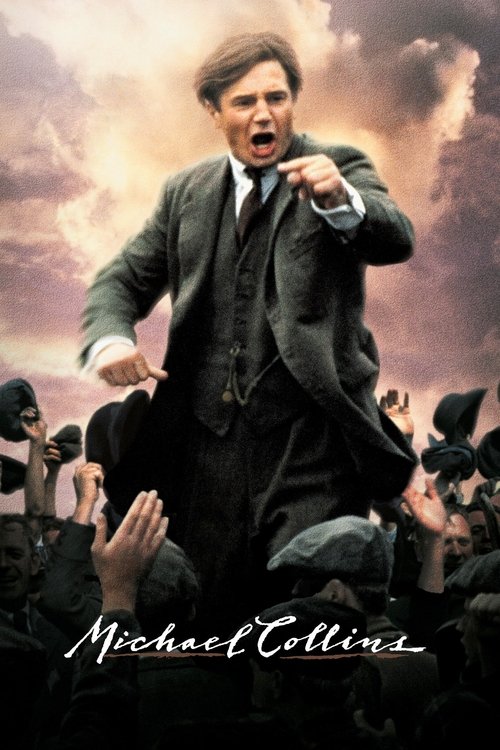
Michael Collins(1996)
R
10/25/1996 (US)War, Drama, Thriller, History2h 12m6.9
"Ireland, 1916. His Dreams Inspired Hope. His Words Ignited Passion. His Courage Forged A Nation's Destiny."
Overview
Michael Collins plays a crucial role in the establishment of the Irish Free State in the 1920s, but becomes vilified by those hoping to create a completely independent Irish republic.
Neil Jordan
Director
Neil Jordan
Writer
Top Billed Cast









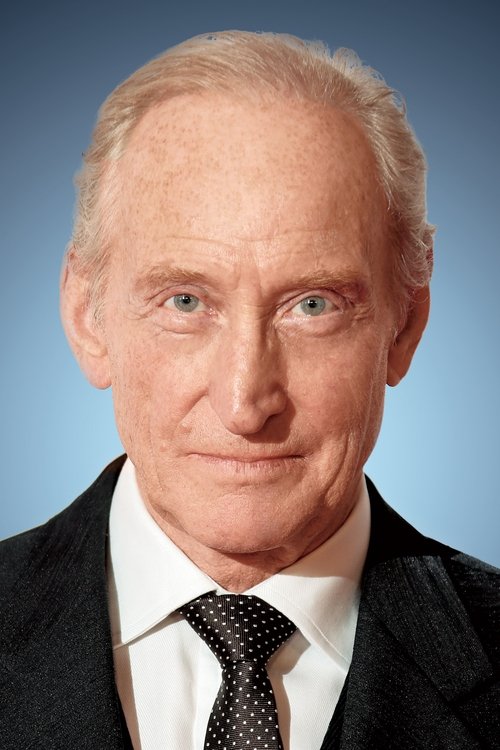

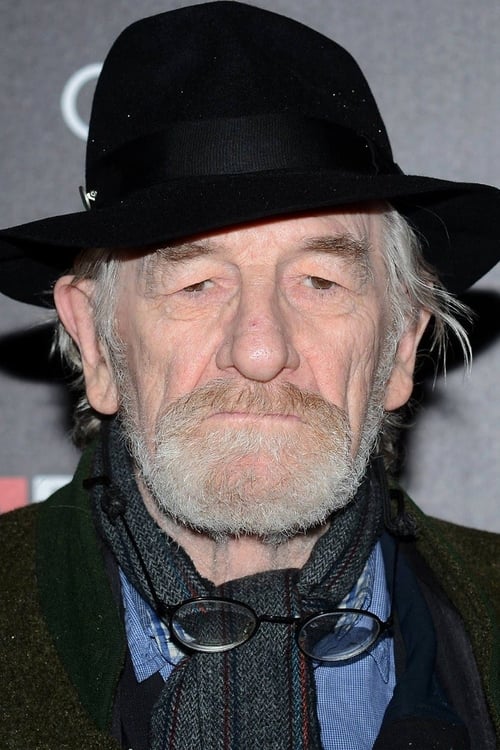


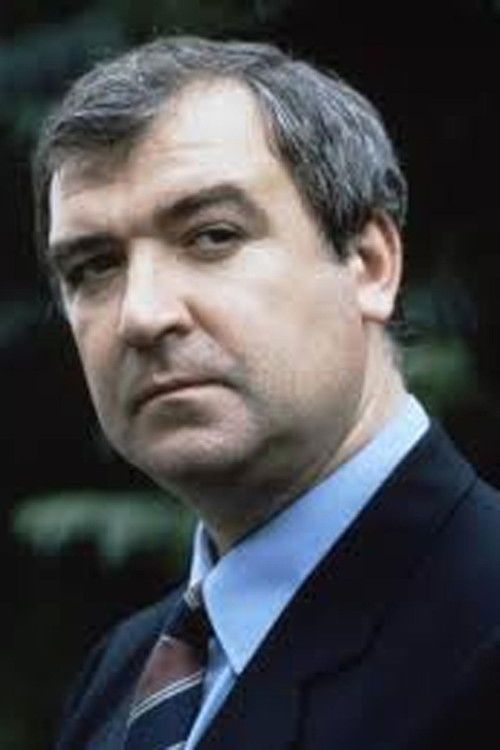
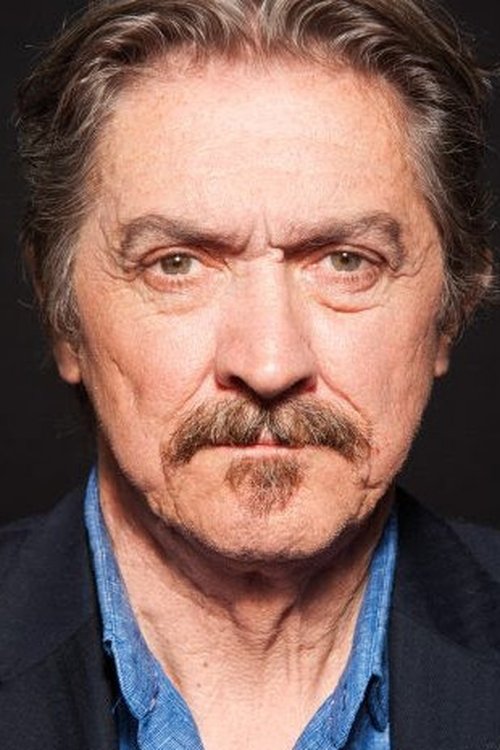
Where to Watch
Rent





Buy
Powered by JustWatch
Popularity Trend
Last 30 Days
This chart shows the popularity trend over the past 30 days.
Media
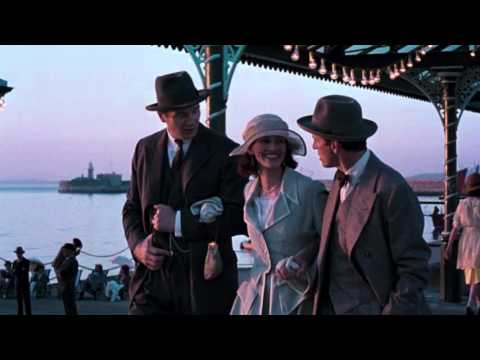
Michael Collins | Official Movie Trailer
Trailer
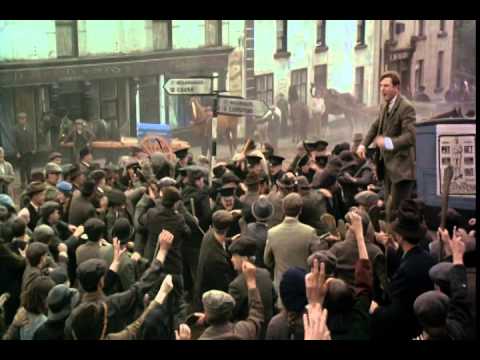
Michael Collins - Original Theatrical Trailer
Trailer
Michael Collins (1996) Fan-Made Trailer
Trailer
Michael Collins (1996) - Liam Neeson, Alan Rickman, Stephen Rea, Aidan Quinn - I disagree
Clip
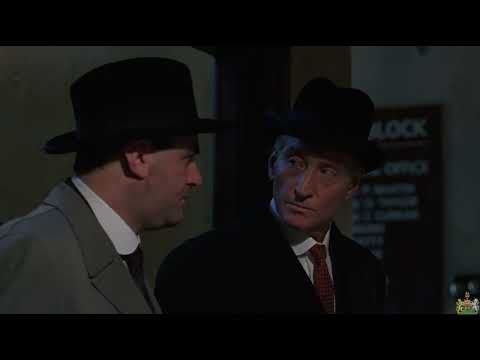
Charles Soames
Clip
![Michael Collins (1996) - 'Train Station Farewell' scene [1080]](https://img.youtube.com/vi/I2Wo15MLlRc/hqdefault.jpg)
Michael Collins (1996) - 'Train Station Farewell' scene [1080]
Clip
Social
S
A review by SPDonlan
Written on July 20, 2024
Like many such epics, _Michael Collins_ is melodramatic and partial, about a past all too present. But much of the critical hostility it received/s is for offending popular pieties, imperial or republican, no less prejudiced.
Jordan wrestled with historiography and moral complexity in writing his screenplay. He understood that any historical account involves selection and even distortion, not least to persuade producers and sell tickets.
Ultimately, however, the period and place are too complex for Jordan to explain or Collins to contain: its violence is too roughly contextualized, its framing too hagiographical, and its characterization of De Valera too broad.
Jordan wrestled with historiography and moral complexity in writing his screenplay. He understood that any historical account involves selection and even distortion, not least to persuade producers and sell tickets.
Ultimately, however, the period and place are too complex for Jordan to explain or Collins to contain: its violence is too roughly contextualized, its framing too hagiographical, and its characterization of De Valera too broad.